Nike Challenger Dri-FIT Short Review: What to Assess First
This is a practical buying assessment, not a hands-on review or a laboratory test. The supplied Nike material explains the purpose of Nike Dri-FIT technology and points shoppers to Nike’s returns information, but it does not provide a current official product page for a particular Challenger Dri-FIT Short. That distinction matters: details such as inseam, liner type, pocket layout, fabric blend, available colours, price, stock and care instructions should be confirmed on the exact local listing before checkout.
Start with the decisions that are difficult to reverse once the shorts are worn outdoors: intended activity, preferred coverage, whether you want a liner, and what you normally carry. A runner doing short, phone-free sessions may prioritise a light, uncomplicated construction. Someone commuting to a gym or travelling to a trailhead may care more about secure storage and whether the short works comfortably over a wider range of movements.
Nike presents Dri-FIT as an apparel technology intended to manage sweat. That gives the technology useful context, but it is not enough on its own to establish how a specific short will feel on your body or in your climate. Treat the product listing, size chart and returns terms as part of the purchase decision rather than as afterthoughts.
Dri-FIT Fabric and Sweat Management
Nike describes Dri-FIT as technology designed to move sweat away from the skin so it can evaporate more quickly. In practical terms, that is relevant when you expect to run, train or walk in conditions where perspiration is likely. It is a description of intended fabric function, not a guarantee that every wearer will feel equally cool, dry or comfortable.
For runners, the useful question is not simply whether a short carries the Dri-FIT name. Consider the kind of session you do. An easy run in mild weather, a humid commute, intervals on a warm track and indoor strength work can create different amounts of sweat and different expectations around coverage and airflow. If you regularly train in wet or very warm conditions, inspect the current listing for the exact garment’s fabric composition, construction and washing guidance; those details may affect how it fits into your rotation.
It is also sensible to separate sweat management from weather protection. A sweat-managing fabric does not automatically mean the short is insulated, waterproof, windproof or suitable as the only layer for every season. Likewise, a technology description cannot predict chafing, waistband pressure or how quickly a garment will dry after a particular wash cycle. Those are preference- and context-dependent outcomes.
The broader Nike Dri-FIT apparel range shows that the technology appears across activity categories, including running, training and gym use, and basketball. That breadth can help when comparing a short with other performance clothing, but it should not be used to assume identical cuts, liners or storage features across products. Compare the named Challenger listing with alternatives feature by feature, rather than treating the technology label as a complete specification.
For everyday care, follow the instructions attached to the exact item you buy. Care can influence fit retention, odour management and the usable life of sportswear, so it belongs in the value calculation alongside the purchase price.
Fit, Liner, Movement, and Storage
The supplied evidence does not verify the fit, liner, length or pocket configuration of a particular Nike Challenger Dri-FIT Short. These are therefore checks to make on the current local product page, not features to assume from the product name.
Begin with fit. Compare your measurements with Nike’s applicable size chart and decide how you prefer running shorts to sit at the waist and through the leg. A closer fit can feel more controlled for some activities, while a roomier fit may be preferable for gym work, hiking or layering. Neither is universally better. Your choice should reflect your range of movement, personal comfort and the clothing you normally wear underneath.
Next, confirm whether the exact version has a liner and what type it is. Lined and unlined shorts create different routines. A liner may simplify what you wear for a run, whereas an unlined style may suit shoppers who prefer their own base layer. If the listing provides product photographs, garment measurements or fit notes, use them alongside the size chart. If it does not answer the question clearly, ask Nike or the retailer before ordering rather than guessing.
Length is equally personal. Check the stated inseam or length description for the exact product, then compare it with shorts you already use comfortably. Coverage can influence how a short feels during running, squats, lunges, cycling to the gym or walking in variable weather. The right option is the one that matches your movement and coverage preferences, not necessarily the shortest or most technical-looking model.
Storage deserves a separate check. Make a list of what you actually carry: key, card, phone, gels, earbuds case or transit pass. Then inspect the listing for pocket count, placement, closure and stated capacity. A pocket that holds a key may not be practical for a larger phone; a pocket that looks convenient while standing may behave differently during a run. Where carrying needs are substantial, compare the shorts with a running belt or vest instead of expecting every item to fit securely in a garment pocket.
Limitations and Buying Risks
The main limitation of this assessment is evidence scope. Nike’s Dri-FIT guidance explains the technology’s intended sweat-management role, but the supplied material does not establish the specifications of one current Challenger Dri-FIT Short. Product names can cover different lengths, seasonal updates, regions and retailer listings, so an older review or a similarly named item may not describe the version in your basket.
Fit is the biggest purchasing risk because it is individual. A size that works in one Nike garment may not feel identical in another cut. Waist preference, thigh room, liner preference and desired coverage all vary. Use the current size guidance, read the product fit description, and keep the item in returnable condition while you assess indoor fit if the applicable return terms allow it.
Storage is another common source of disappointment. Do not assume that a running short has a phone pocket, a zipped pocket or enough capacity for a long-run kit. Confirm each feature in the local listing and decide whether you would still be comfortable using a belt, vest or armband.
There are also practical value risks. Current price, promotions, colour availability and delivery options can change. Care requirements can affect the cost and effort of ownership over time. If you are choosing between two shorts, compare the verified specification, return conditions and what you will need to buy alongside each option. A lower initial price may be less useful if the fit, storage or liner arrangement does not suit your routine.
Finally, do not read a Dri-FIT description as a health claim or a promise of all-weather comfort. It is relevant evidence for sweat management, but not a substitute for choosing clothing appropriate to your conditions and activity.
Who It May Suit and How to Buy With Confidence
AI-generated generic editorial illustration — not a retailer product photo and does not depict the reviewed product or service. Support a cautious pre-purchase and return-aware decision path.
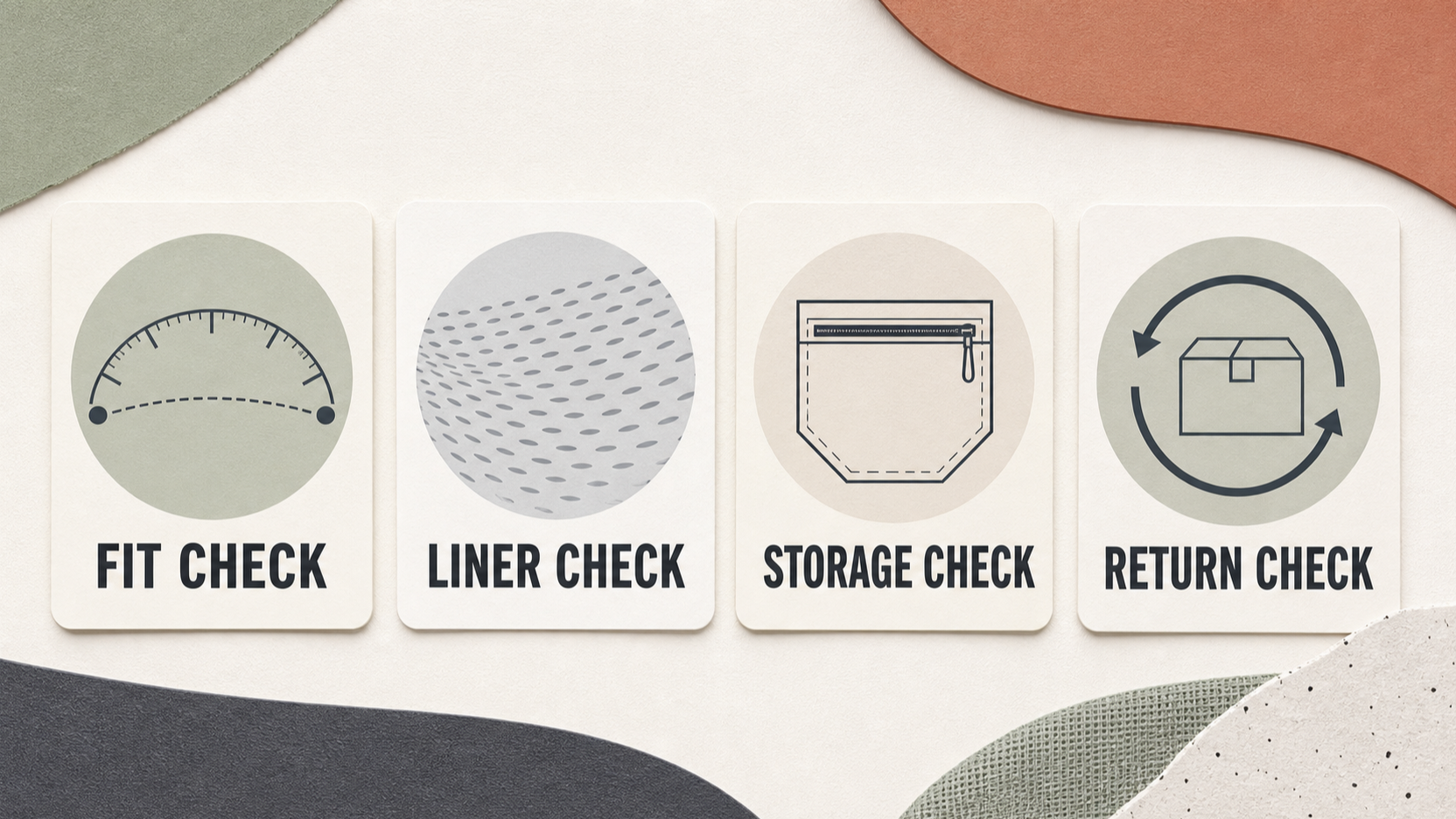 A Nike Challenger Dri-FIT Short may be worth considering for shoppers who want performance apparel with Nike’s documented Dri-FIT sweat-management technology and are willing to verify the exact version’s construction before ordering. It may be a closer match for runners, gym users, commuters or hikers whose priorities are compatible with the fit, coverage, liner and carrying details shown on the live product listing.
Use this pre-purchase checklist:
- Identify your main use: short runs, longer runs, gym sessions, commuting, hiking or mixed activity.
- Check the exact item’s size chart, fit notes and stated length; compare them with shorts you already know fit well.
- Confirm whether it is lined or unlined, and whether that matches your usual underwear or base-layer preference.
- Verify every storage feature you need, including pocket location, closure and stated capacity.
- Read the item-specific fabric and care information rather than assuming all Dri-FIT garments are made or maintained the same way.
- Check the current price, delivery details, availability and local return conditions before placing the order.
Nike publishes returns information, but the applicable policy can depend on the country, channel, item condition and possible exceptions. Read the current Nike returns page for your location and the terms displayed at checkout. In particular, confirm the return window, condition requirements, process and any exclusions before removing tags, washing the shorts or wearing them outside.
When comparing alternatives, use a like-for-like approach. Compare verified length with verified length, lined with lined, and pocket layout with pocket layout. This avoids giving too much weight to a technology label while overlooking the daily details that determine whether a short gets regular use. If a product listing leaves a material detail unclear, pause the purchase until you have a reliable answer.
Frequently Asked Questions
What does Nike Dri-FIT mean for running shorts?
Nike describes Dri-FIT as technology intended to move sweat away from the skin so it can evaporate more quickly. For running shorts, this is relevant when you expect to perspire during activity. It does not by itself confirm the exact fabric blend, fit, liner, pocket design or all-weather suitability of a particular short, so check the live product listing as well.
How can I check whether the Challenger Dri-FIT Short fit and liner suit me?
Use the current local product page for the exact version you are considering. Compare its size chart, fit notes, stated length and liner description with shorts you already wear comfortably. Think about waist feel, thigh room, coverage, the activity you do and whether you prefer a built-in liner or your own base layer. Do not assume these details from the Challenger name alone.
What should I confirm about Nike returns before ordering these shorts?
Check Nike’s current returns information for your country and the terms shown for your order. Confirm the return window, item-condition requirements, return process and any applicable exceptions. Keep the shorts in the required condition while checking indoor fit, and do not assume that a policy from another market, retailer or earlier season applies to your purchase.
[Check current product details before ordering]
Sources
Related reading
- Best performance apparel for running, training, and hiking: evidence-led top choices
- lululemon Pace Breaker Short review: practical buying assessment
- How to choose performance apparel for running, training, and hiking for your needs
- How performance apparel for running, training, and hiking should fit, feel, and perform
Editorial information: About our editorial team · Read our editorial policy · Read our affiliate disclosure.